
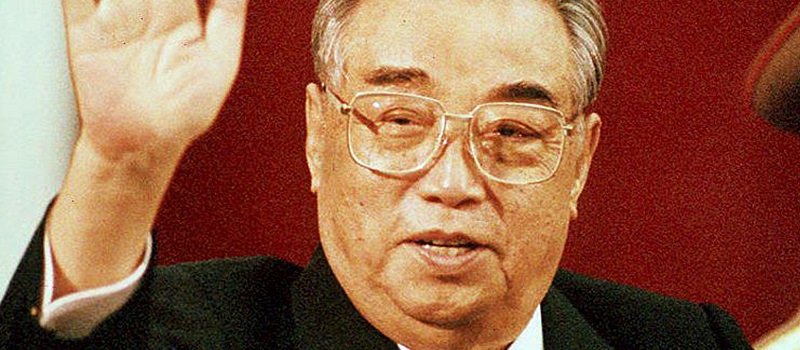
- Which statement is the best summary of Kim Il-Sung’s point of view?
- The 38th parallel artificially divides Korea, and we must fight to unite our nation
Or How do you pronounce Kim Il Sung?
Was the Korean War justified? Although it is arguable that the intervention was unnecessary and unjustified, the war played an important role in modern history The Korean War was a crucial event during the Cold War that protected the capitalist values, prevented the spread of communism and proved that the Truman administration was anti-communist
Ainsi, Who won the Korean War? Who Won the Korean War? Neither side actually won the Korean War In fact, the war goes on to this day, since the combatants never signed a peace treaty South Korea did not even sign the Armistice agreement of July 27, 1953, and North Korea repudiated the armistice in 2013
When did the Kim dynasty start?
Kim family (North Korea)
| Kim family Mount Paektu bloodline | |
|---|---|
| Place of origin | Mangyongdae, Pyongyang |
| Founded | 9 September 1948 |
| Founder | Kim Il-sung |
| Current head | Kim Jong-un |
How do you pronounce Syngman?
How do you pronounce Juche Tower?
Is North Korea a republic country? Overview The Democratic People’s Republic of Korea (DPRK, also known as North Korea) is a highly centralised totalitarian state
Who ruled North Korea before the Kims?
Before the division From 1910 to the end of World War II in 1945, Korea was under Japanese rule Most Koreans were peasants engaged in subsistence farming In the 1930s, Japan developed mines, hydro-electric dams, steel mills, and manufacturing plants in northern Korea and neighboring Manchuria
Who is the God of North Korea? As highlighted by anthropological studies, the Korean ancestral god Dangun is related to the Ural-Altaic Tengri “Heaven”, the shaman and the prince The mudang is similar to the Japanese miko and the Ryukyuan yuta Muism has exerted an influence on some Korean new religions, such as Chondoism in North Korea
How did North Korea become poor?
The disintegration of the Soviet Union, followed by a food crisis in the aftermath of a series of natural disasters–hail storms in 1994, flooding from 1995 to 1996, and droughts in 1997–pushed North Korea into an economic crisis Between 1990 and 1998, the country experienced an average annual growth rate of -41%